Car wax and ceramic coating are often grouped together because both can improve gloss and change the way water behaves on paintwork. In practice, they are different types of protection with different maintenance expectations.
For Australian vehicle owners, the best choice is not simply the product with the biggest promise. It depends on how often you want to reapply protection, how much preparation you are willing to do, where the vehicle is stored and whether easy ongoing cleaning matters to you.
What does car wax actually do?
Traditional vehicle wax creates a sacrificial layer over the clear coat. It can add gloss, create a slicker feel and improve water beading when fresh. Wax remains popular because it is familiar, relatively forgiving to apply and easy to refresh as part of a regular detailing routine.
The trade-off is maintenance. A wax layer gradually wears down through washing, weather exposure and day-to-day use, so maintaining the effect usually means applying it again more regularly.
How is a nano ceramic coating different?
A nano ceramic coating is designed to form a more durable protective layer on the surface after it cures. The goal is not to make the vehicle self-cleaning or scratch-proof. The practical benefit is to create a surface that is more hydrophobic and easier to maintain, so water beads more readily and road grime has less opportunity to cling stubbornly.
Future Shield’s Ultra Shield is a DIY nano ceramic coating designed for paint, clear coat, gel coat, plastics, chrome, alloy wheels, carbon fibre, fibreglass, glass, metal and rubber. Future Shield states that it is designed to repel water, dirt, road grime, mud, brake dust, bird droppings, tree sap, insects and salt while helping make future cleaning easier.
Ceramic coating vs wax: the practical differences
Wax is useful when you enjoy regular detailing and want a simple, temporary layer that can be refreshed often. A ceramic coating is more preparation-sensitive, but it is designed for longer-lasting hydrophobic protection and lower-effort maintenance between applications.
Neither option removes the need to wash a vehicle. Neither should be presented as protection against stone chips or deep scratches. The key difference is the way each product is intended to interact with the surface and how frequently you want to repeat the protection process.
Why surface preparation matters more with ceramic coatings
A coating can only perform on the surface it is applied to. Dirt, oils, old product residue and moisture can interfere with even coverage and bonding. That is why Future Shield’s Ultra Shield instructions start with thoroughly cleaning and completely drying the surface before application.
For a new or well-maintained vehicle, this may be straightforward. Older paint may require additional decontamination or correction before coating if you want the best visual result. A coating does not hide defects permanently; it protects the finish that is already there.
What does ‘hydrophobic’ mean in day-to-day use?
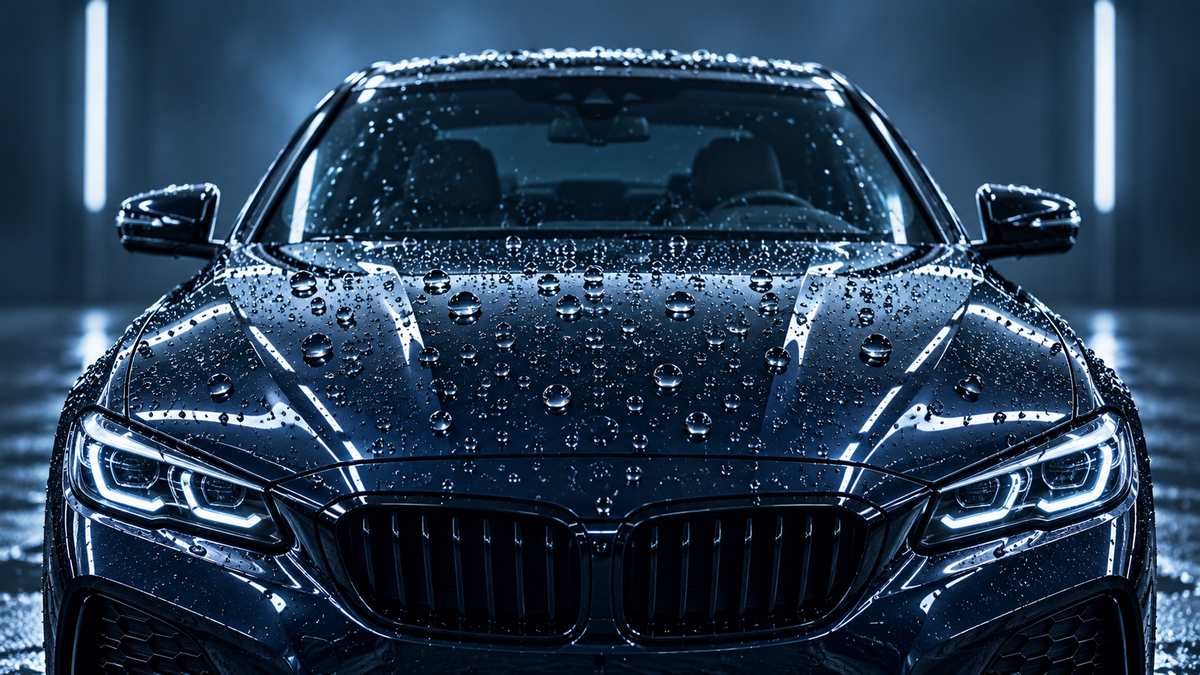
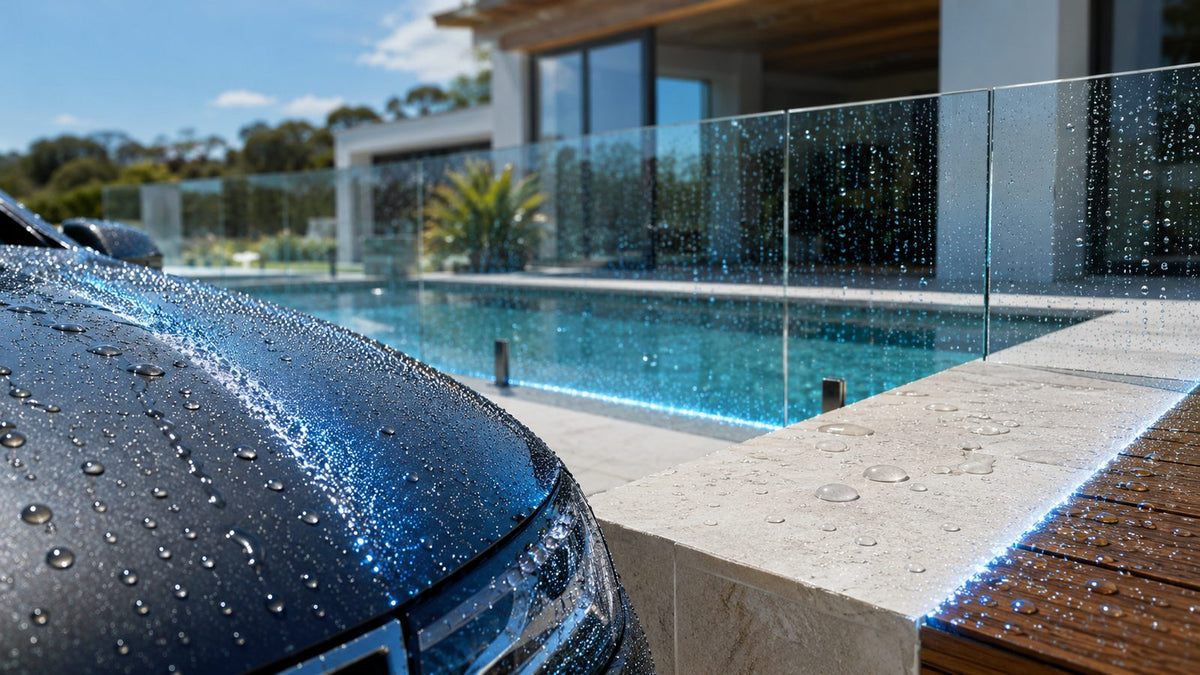
Hydrophobic simply means water-repelling. On a protected surface, water tends to form more defined beads rather than spreading into a flat sheet. That change can make rinsing and drying easier and can reduce the amount of residue left behind after ordinary exposure.
The effect is especially useful for vehicles, motorcycles, boats, caravans and outdoor equipment that are regularly exposed to rain, road spray, dust and environmental grime.
Which option is better for you?
Choose wax if you enjoy frequent detailing, want a quick gloss boost and prefer a product you can refresh as often as you like.
Consider a DIY nano ceramic coating if you want a more durable hydrophobic layer, are prepared to clean and prepare the surface properly and value easier ongoing maintenance.
For drivers who want to protect more than paintwork, a multi-surface coating can also be useful across wheels, plastics, glass and other compatible exterior surfaces.
A simple decision checklist
• Do you want protection you can refresh frequently, or something designed to last longer between applications?
• Are you willing to spend extra time preparing and drying the surface before application?
• Is easier washing and water behaviour a priority?
• Do you want one coating that can be used across several compatible exterior surfaces?
• Will you follow the product’s curing and aftercare instructions?
Frequently asked questions
Is ceramic coating the same as wax?
No. Wax forms a temporary sacrificial layer over the surface. A nano ceramic coating is designed to cure into a more durable protective layer.
Does ceramic coating mean I never need to wash my car?
No. Coated vehicles still need regular washing. The benefit is that water and contamination can be easier to remove from a hydrophobic surface.
Can ceramic coating stop stone chips and deep scratches?
No. A liquid ceramic coating is not a substitute for physical paint protection film and should not be marketed as impact protection.
Can I apply Future Shield Ultra Shield myself?
Future Shield positions Ultra Shield as a DIY coating. Follow the current product instructions carefully, including cleaning, drying, application, curing and aftercare.
Where can I buy Future Shield products?
Future Shield sells its current product range through the website.
Ready to protect more and clean less?
If a DIY nano ceramic coating suits the way you maintain your vehicle, view Ultra Shield, browse all Future Shield products or contact the Future Shield team if you have a surface or application question.


Leave a comment
This site is protected by hCaptcha and the hCaptcha Privacy Policy and Terms of Service apply.